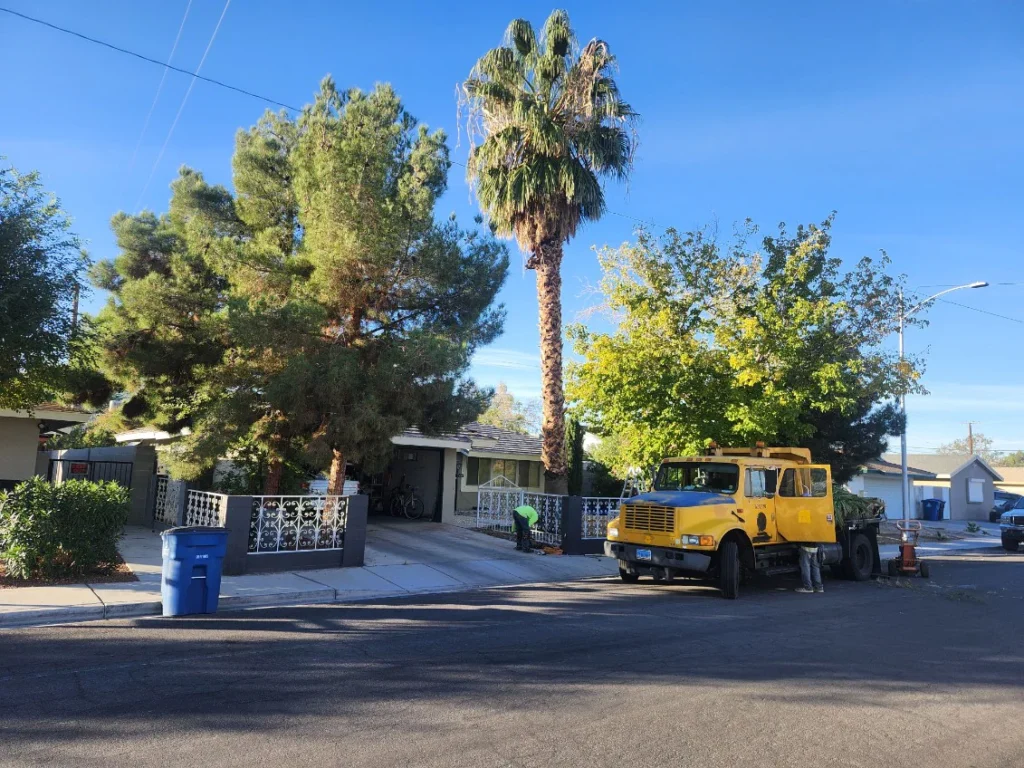
The short answer is late winter through early spring for most shade trees, with light touch-ups as needed the rest of the year. In Summerlin, deep pruning is best from January to early March, before new growth begins. Palms do better in early summer once flowers and seed stalks appear. Avoid heavy cuts during peak heat from June to August to prevent stress and sunscald. Light safety trims can happen any time if branches are rubbing your roof or blocking sidewalks.
What is the ideal tree trimming schedule in Summerlin, Las Vegas, NV?
Your tree trimming schedule in Summerlin, Las Vegas, NV should fit our desert climate, strong spring winds, and hot summers. Most trees respond best when trimmed while dormant or just before active growth. The goal is to reduce stress, prevent storm damage, and keep canopies balanced.
- Shade trees like ash, elm, and pistache: Late January to early March for structural trimming. Light shaping in fall if needed.
- Desert trees like mesquite, palo verde, and acacia: Late winter to early spring for reductions and weight balancing before spring winds.
- Palms: Early summer, typically May to July, after bloom and seed stalks show. Avoid stripping fronds too high.
- Fruit and flowering trees: Trim right after flowering finishes, then do any larger cuts in late winter.
- Pines: Late winter for thinning and deadwood removal. Avoid cutting during peak heat.
Why does timing your trimming matter in our desert climate?
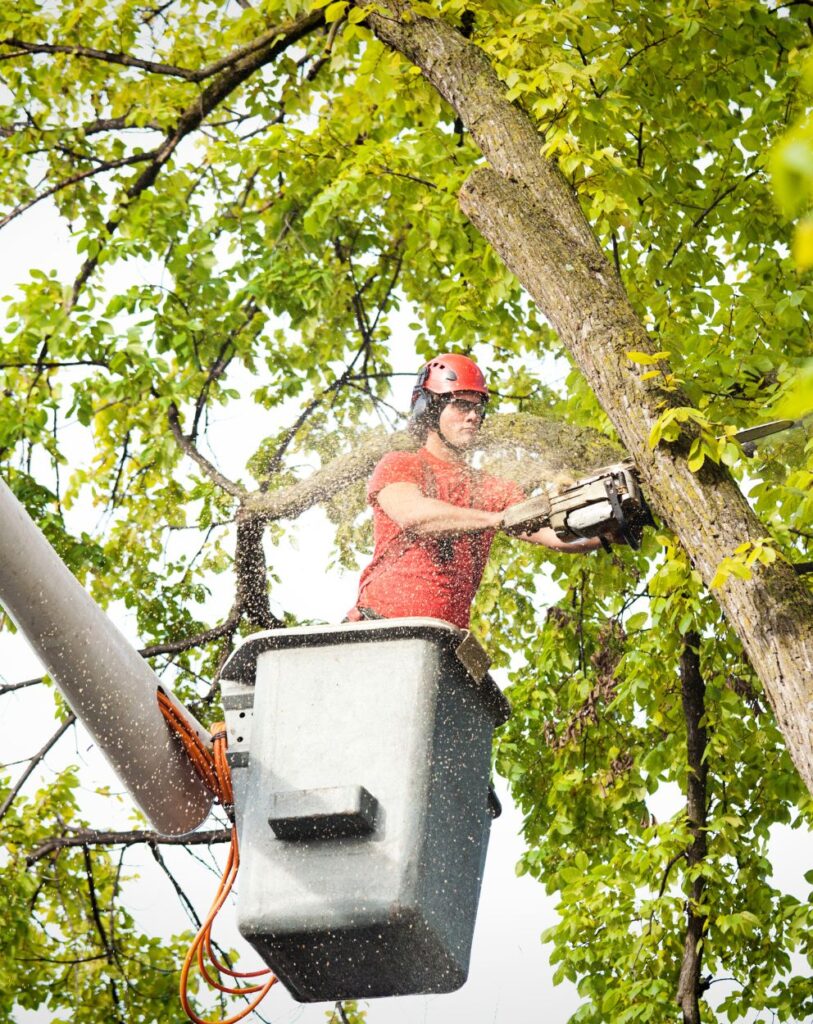
Trimming at the right time protects tree health and your property. Fresh cuts during extreme heat or drought can cause sunscald, pest issues, and slow healing. Well-timed pruning reduces weight before our windy season and keeps branches off roofs, walls, and utility lines. It also keeps canopies open so limited water reaches the roots and sunlight reaches interior branches. Good timing equals less stress for your trees and fewer emergencies for you.
What problems happen if you trim at the wrong time?
- Sunscald and dieback on freshly exposed limbs
- Weak, rapid sprouting that grows back poorly attached
- Higher water needs right when conservation matters most
- Increased risk during spring winds and summer monsoons
- More pests and disease entering through slow-healing cuts
- Missed blooms or reduced fruit set on flowering trees
How often should common trees in Summerlin be trimmed?
Frequency depends on the species, age, and where the tree sits on your lot. Younger trees need more frequent, lighter touch-ups to set strong structure. Mature trees benefit from less frequent but more strategic pruning.
- Desert species (mesquite, palo verde): Every 1 to 2 years to balance weight and lift canopies away from structures.
- Shade trees (elm, ash, pistache): Every 2 to 3 years for structural thinning and clearance.
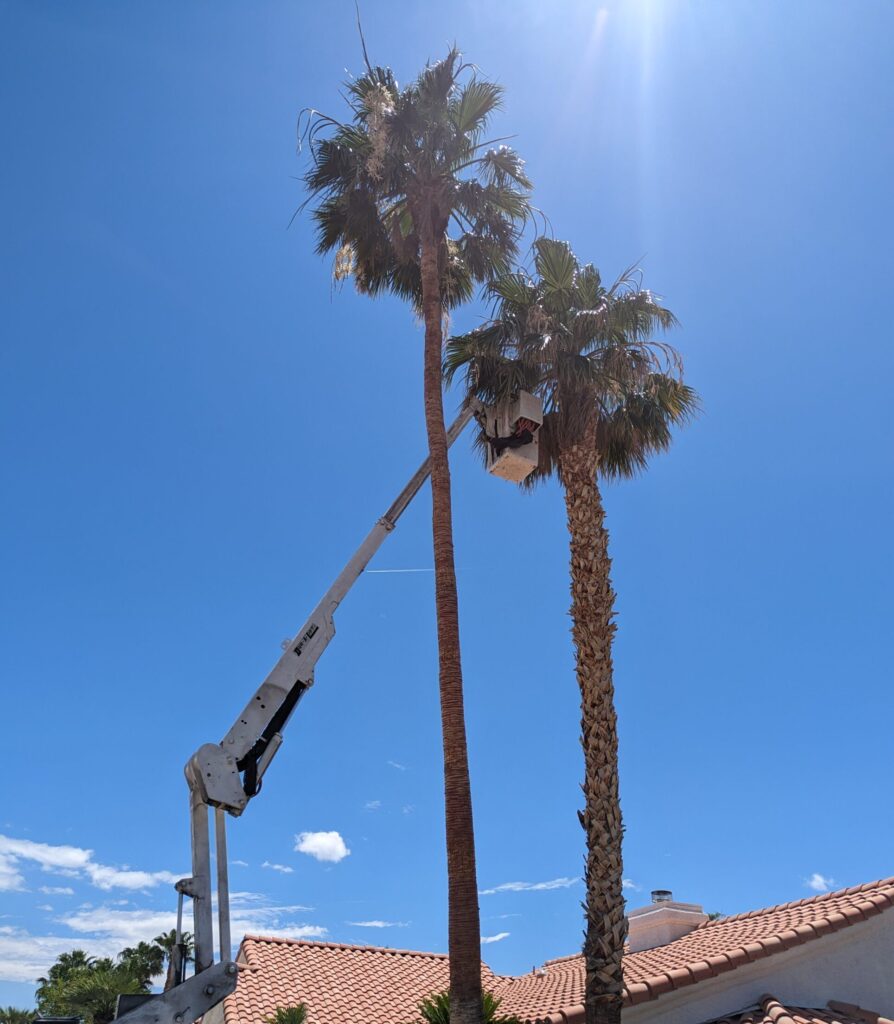
- Palms: Once a year, sometimes every 18 months if not dropping seeds or fronds near walkways.
- Ornamental flowering trees: Light annual shaping after bloom, deeper work every 2 to 3 years.
- Pines: Every 2 to 4 years, focused on deadwood and wind resistance.
Do local conditions in Summerlin change the timing?
Yes. Summerlin sits higher and runs a bit cooler than central Las Vegas, which can shift timing by a few weeks. Neighborhoods closer to Red Rock Canyon see cooler nights and stronger gusts, so pre-wind-season trimming is smart in The Paseos and The Vistas. Sun City Summerlin often has HOA rules and visibility requirements for sidewalks and golf paths. Areas near Downtown Summerlin or along Summerlin Parkway and West Charleston Boulevard may need more frequent clearance for pedestrian and road safety. South-facing yards in The Ridges or The Hills get harsher sun, so avoid heavy summer cuts that expose bark too quickly.
What are the benefits of a well-timed trim?
A well-planned schedule makes your trees safer and more beautiful while saving water and maintenance time. You get fewer broken limbs during spring wind events, stronger branch attachments as trees mature, and better airflow that discourages pests. Curb appeal improves, which is helpful if you are listing a home or keeping up with HOA standards. Most of all, your trees stay healthier, which means lower long-term costs.
Simple trimming tips and best practices
- Prioritize safety pruning first. Remove dead, broken, or crossing branches that can rub and wound bark.
- Make clean cuts just outside the branch collar. See the proper tree pruning techniques guide
- Never remove more than 20 to 25 percent of a canopy in one season.
- Avoid heavy pruning during extreme heat or drought stress.
- Disinfect tools when moving between trees, especially after removing diseased wood.
- Keep mulch 2 to 3 inches deep, pulled back a few inches from the trunk.
- For public trees or business fronts, review EPA tree maintenance and care standards
Need help choosing the right week to trim?
If you are unsure how your trees will handle spring winds or summer heat, we can help you pick a safe window and the right cut depth. See our Tree Trimming in Summerlin page for details. Or call Troy’s Tree Service at (702) 332-2392 to schedule a quick walk-through. We will map out a simple plan that fits your property and your HOA.
What is the right process before you trim?
Start with a quick inspection after a windy day. Look for deadwood, heavy limbs hanging over walkways, and branches touching your roof or walls. Decide your main goal, whether it is safety, view, or shape, then choose the season that supports that goal. Plan cuts that improve structure, not just shape, and avoid lion-tailing that leaves foliage only at the tips. Finish with a clean-up that includes chipping, haul-away, and a check for irrigation overspray on fresh cuts.
Frequently Asked Questions (FAQs)
Light safety cuts are fine, but avoid heavy pruning during peak heat from June to August. Exposed bark can sunscald, and trees recover slower under heat stress.
Early summer is best, usually May to July, after flowers and seed stalks show. Remove brown fronds and seed pods, but leave healthy green fronds for energy and trunk protection.
For shaping, trim right after the tree finishes blooming so you do not cut off next year’s flowers. Save bigger structural cuts for late winter.
Look for dead or cracked branches, limbs rubbing the roof or walls, crowded interior growth, or heavy limbs over driveways and play areas. If winds are snapping small branches, it is time to thin and balance.
Most residential trimming on private property does not need a permit. If the tree is in the public right-of-way or maintained by the city, check local rules first and review HOA guidelines.
Yes for most species. Late winter pruning reduces stress and helps trees push strong spring growth. It also prepares canopies for Las Vegas spring winds.
Ready to plan your trimming?
If you want a simple, seasonal plan that fits your yard and budget, Troy’s Tree Service is ready to help. Start with our Tree Trimming in Summerlin page or call (702) 332-2392. You can also contact us here. We serve homeowners and businesses throughout Summerlin and nearby areas with honest advice and careful workmanship.
